This magpie sang a song and received a reward at Robe today.
The seagulls tried to join in; they knew the words but can’t hold a tune, so no rewards.

This magpie sang a song and received a reward at Robe today.
The seagulls tried to join in; they knew the words but can’t hold a tune, so no rewards.
The fourth Together For The Gospel collection is about to be released.
His Mercy Is More is one of the early release tracks.
Fleming Rutledge on the value of considering the incarnation of Jesus after considering the second coming:
Does Advent run backwards? The movement is from the second coming to the first coming; it doesn’t seem to make sense. The season begins with the last things and ends with the nativity in Bethlehem. Shouldn’t it be the other way round?
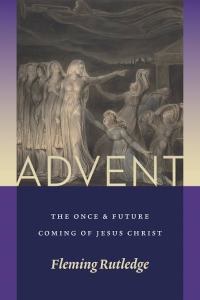
Not really. The rhythm of the church’s seasons turns out, in this as in so many other ways, to be theologically profound. If we began with the nativity and then moved to the last judgment, we would be so softened up by that little baby in the manger that we wouldn’t be able to take the second coming of Christ in power seriously. The solemnity and awe do not lie in the fact that the baby becomes the eternal judge. What strikes us to the heart is this: the eternal Judge, very God of very God, Creator of the worlds, the Alpha and the Omega, has become that little baby.Fleming Rutledge, Advent – The Once & Future Coming Of Jesus Christ, Eerdmans, 2018, pg 60.
Preparing Bible Studies and sermons on the book of Ecclesiastes, verse 12 in chapter 12 that kept echoing: “Of making many books there is no end, and much study is a weariness of the flesh.”
Now, I own a few books.
I’ve already posted a quote from a new one that arrived today.
So this report about the benefits of growing up in a home with books salves my conscience.
(Not that it needed much salving, admittedly.)
From a report at PacificStandard:
The results suggest those volumes made a long-term difference. “Growing up with home libraries boosts adult skills in these areas beyond the benefits accrued from parental education, or [one’s] own educational or occupational attainment,” the researchers report.
Not surprisingly, the biggest impact was on reading ability. “The total effects of home library size on literacy are large everywhere,” the researchers report.Growing up with few books in the house was associated with below-average literacy rates, while he presence of around 80 books raised those rates to the mean. Literacy continued to increase with the number of reported books up to around 350, at which point it flattened out.
Similarly, the effects of a home library on numeracy were quite significant across the board. Its impact on technological skills was smaller but also widespread.Read the whole post here.
If you’ll excuse me, I’ve got a book to get back to.

