
Writing on 1 Peter, Fleming Rutledge identifies the theme of the letter as “the church among the nations as the people of the crucified, risen, and reigning Christ.”
The first epistle of Peter is a letter from a God’s—eye view, and the view it gives is of the church. We can never say it often enough: the Bible is addressed, for the most part, not to individuals, but to the people of God.7 We need to say still more. As Peter puts it in various ways over and over throughout the letter, the people of God have been constituted, not by their own preferences or choices, but by Gods’ prior choice, first of Israel, and then, through Jesus Christ, of the church. The church resists, endures, and conquers not through its own efforts, let alone its merits, but because of the call, the commission, and the continuing presence of God. “The God of all grace, Who has called you to his eternal glory in Christ, will himself restore, establish, and strengthen you.” The church lives out of (not “into” but “out of”) its foundation upon the “living stone” (I Pet. 2:6), which is Christ, out of its baptism into his death and resurrection, out of its promised future guaranteed by his Holy Spirit. It is this certainty that gives courage for resistance.
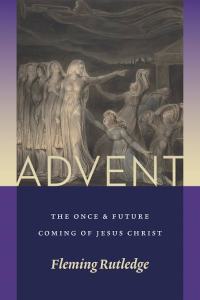
Fleming Rutledge, Advent – The Once & Future Coming Of Jesus Christ, Eerdmans, 2018, pg 131.
The footnote indicated in the passage above expands the idea:
7. Therefore resistance is not largely a matter of individuals but of the corporate body. “Peter does not issue a general call to become a Christian and then, as a subsequent and perhaps optional move, for individual Christians to join togetherinto a voluntary association that might serve our projects of being individual Christians.” God precedes the people; the people precedes the person; the person is constituted by being incorporated into the people (Harink, 1&2 Peter, 73).
 mgpcpastor's blog